If persistent jaw pain, headaches, or difficulty chewing are interfering with your daily life, it may be time to seek professional care. At Green Leaf Dentistry, we provide personalized TMJ treatment in Denville, NJ, helping patients find lasting relief from temporomandibular joint (TMJ) disorders.
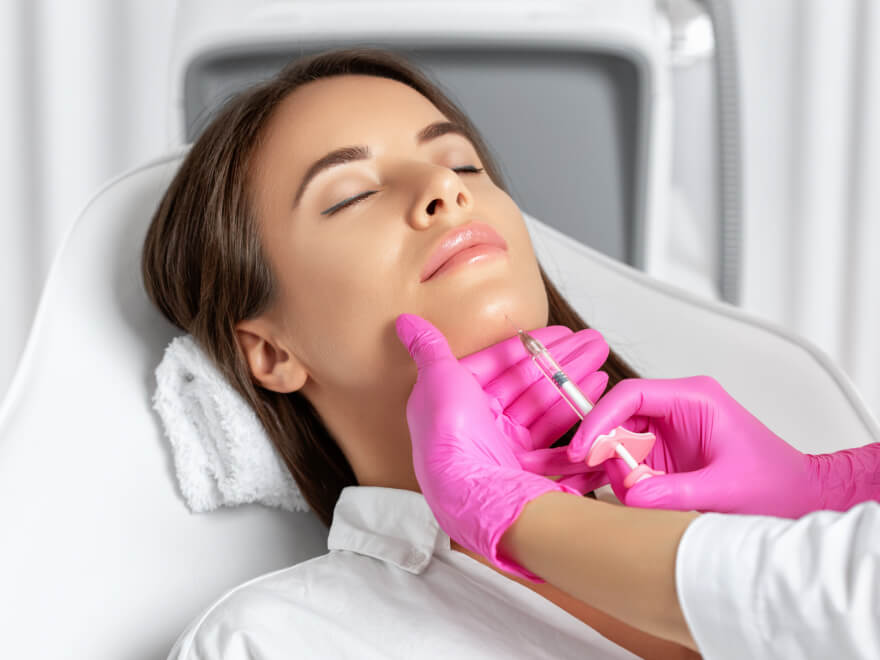
After evaluating your symptoms and identifying the underlying cause, we'll recommend a customized treatment plan that may include conservative therapies, therapeutic injections, or Botox® to reduce pain, improve jaw function, and restore your quality of life.
The temporomandibular joints connect your lower jaw to your skull, allowing you to speak, chew, yawn, and swallow comfortably. When these joints, muscles, or surrounding tissues become strained or inflamed, a TMJ disorder (TMD) can develop, leading to pain, stiffness, and limited jaw movement.
TMJ disorders may result from teeth grinding, jaw clenching, arthritis, bite misalignment, or injury. Because symptoms often resemble other dental or medical conditions, a comprehensive evaluation is essential to determine the cause of your discomfort and recommend the most effective treatment.
Most TMJ disorders can be treated without surgery. Our TMJ therapy in Denville, NJ focuses on conservative, personalized treatments designed to relieve pain, improve jaw function, and address the underlying cause of your symptoms.
Treatment options may include:
Custom night guards or occlusal splints help reduce pressure on the jaw joints while protecting your teeth from the effects of grinding and clenching during sleep.
Simple adjustments, such as avoiding chewy foods, improving posture, managing stress, and applying warm compresses, can help reduce muscle tension and minimize flare-ups.
If your bite contributes to TMJ discomfort, we'll evaluate your teeth and jaw alignment to determine whether additional treatment may improve function.
For patients with persistent muscle tension or chronic jaw pain, therapeutic injections or Botox® may help relax overactive muscles and provide lasting relief. These minimally invasive treatments are discussed in more detail below.
Every patient's needs are different, so we'll recommend the combination of therapies that's most appropriate for your condition and treatment goals.
When conservative therapies alone aren't enough, TMJ injections can help relieve muscle tension and improve jaw function. These injections target the muscles contributing to jaw pain, helping reduce stress on the temporomandibular joints and making everyday activities like eating, speaking, and yawning more comfortable.
Treatment is performed in our office and typically takes only a few minutes. Most patients experience little to no downtime and can return to their normal routine shortly afterward. While results vary, many patients notice improvement within several days, with relief lasting for several months.
If you're looking for TMJ pain relief in Denville, NJ, our team can recommend the most appropriate treatment for your needs.
Botox® is an effective, non-surgical option for many patients with TMJ disorders caused by chronic jaw clenching or teeth grinding. By relaxing overactive jaw muscles, Botox® can help:
Although Botox® does not cure TMJ disorder, it can provide significant symptom relief when combined with other therapies as part of a personalized treatment plan. During your consultation, we'll determine whether Botox® is an appropriate option based on your symptoms and treatment goals.
You may benefit from TMJ treatment if you experience:
During your consultation, we'll evaluate your jaw joints, muscles, bite, and symptoms to determine the underlying cause of your discomfort and recommend the most appropriate treatment plan.
The right treatment can do more than relieve jaw pain—it can improve your overall comfort and quality of life. Depending on your needs, TMJ therapy may help:
Recovery is typically quick, allowing most patients to resume normal activities the same day. Mild tenderness at the injection site may occur but usually resolves within a day or two.
For the best results, we may recommend:
We'll continue to monitor your progress and adjust your treatment plan as needed to help you achieve lasting relief.
Finding the right TMJ specialist in Denville, NJ starts with choosing a team that understands how jaw pain can affect your daily life. At Green Leaf Dentistry, we take a personalized approach to diagnosis and treatment, identifying the underlying cause of your symptoms before recommending care.
Patients choose us because we offer:
In addition to TMJ treatment, our TMJ specialist provides comprehensive dental services, making it easy to receive complete dental care in one convenient location.
You don't have to live with chronic jaw pain or muscle tension. At Green Leaf Dentistry, we provide personalized jaw pain treatment in Denville, NJ to help patients find lasting relief and restore comfortable jaw function. Whether your symptoms are caused by teeth grinding, jaw clenching, or another TMJ disorder, we'll create a treatment plan tailored to your needs.
Contact Green Leaf Dentistry today to schedule your consultation and experience lasting jaw pain relief with compassionate, patient-centered care.
Book NowCommon symptoms include jaw pain, clicking or popping sounds, headaches, difficulty chewing, and limited jaw movement. A professional evaluation can determine whether a TMJ disorder is causing your symptoms.
Most patients experience minimal discomfort. The procedure is performed using very small needles and is typically completed in just a few minutes.
While results vary, many patients experience relief for about three to four months before another treatment may be recommended.
Most TMJ disorders respond well to conservative, non-surgical treatments. Surgery is generally considered only when other treatment options have not been successful.
Yes. Stress often leads to jaw clenching and muscle tension, which can increase pain and aggravate TMJ symptoms.
If jaw pain, headaches, clicking, or difficulty chewing persist for more than a few days or interfere with your daily life, it's time to schedule a professional evaluation.

 ★ ★ ★ ★ ★
  ★ ★ ★ ★ ★
  ★ ★ ★ ★ ★
  ★ ★ ★ ★ ★
  ★ ★ ★ ★ ★ ★ ★ ★ ★ ★ ★ ★ ★ ★ ★ ★ ★ ★ ★ ★ ★ ★ ★ ★ ★ ★ ★ ★ ★ ★ ★ ★ ★ ★ ★ ★ ★ ★ ★ ★ ★ ★ ★ ★ ★ ★ ★ ★ ★ ★ ★ ★ ★ ★ ★