You brush your teeth every day and try to stay consistent with flossing, yet dental visits sometimes reveal plaque or tartar that you did not expect. This can feel frustrating, especially when you believe you are doing everything right at home. Plaque develops quietly and can accumulate even with good habits. A general dentist in Denville, NJ, often helps patients learn how plaque forms and why routine cleanings remain an important part of protecting long-term oral health.
How Plaque Forms on Teeth
Plaque is a soft, sticky film that constantly forms on teeth. It contains bacteria, saliva, and food particles that gather along the tooth surface and near the gumline. This buildup begins soon after eating and continues throughout the day. Daily brushing and flossing help control it, though small areas are easy to miss.
Bacteria Feed on Food Particles
After meals or snacks, tiny food particles remain in the mouth. Bacteria naturally present in the mouth feed on sugars and carbohydrates from these particles. As bacteria break down these foods, they release acids that cling to the tooth surface. This process creates a sticky layer known as plaque.
Plaque Builds Along the Gumline
Plaque often collects where the tooth meets the gum. These areas can be harder to reach during brushing, especially along the back teeth. As plaque stays in place, bacteria continue to multiply and create more buildup.
Plaque Can Harden Into Tartar
If plaque is not removed regularly, it can harden into tartar. Tartar forms when minerals from saliva mix with plaque and create a rough deposit on the teeth. Once tartar forms, brushing alone cannot remove it. Professional dental tools are needed to clear these hardened areas safely.
Plaque Can Affect Teeth and Gums
Plaque produces acids that can weaken enamel and irritate gum tissue. Over time, this may lead to tooth decay or early gum inflammation. This process often develops gradually, which is why regular monitoring and cleanings help maintain oral health.
Why Professional Dental Cleanings Matter
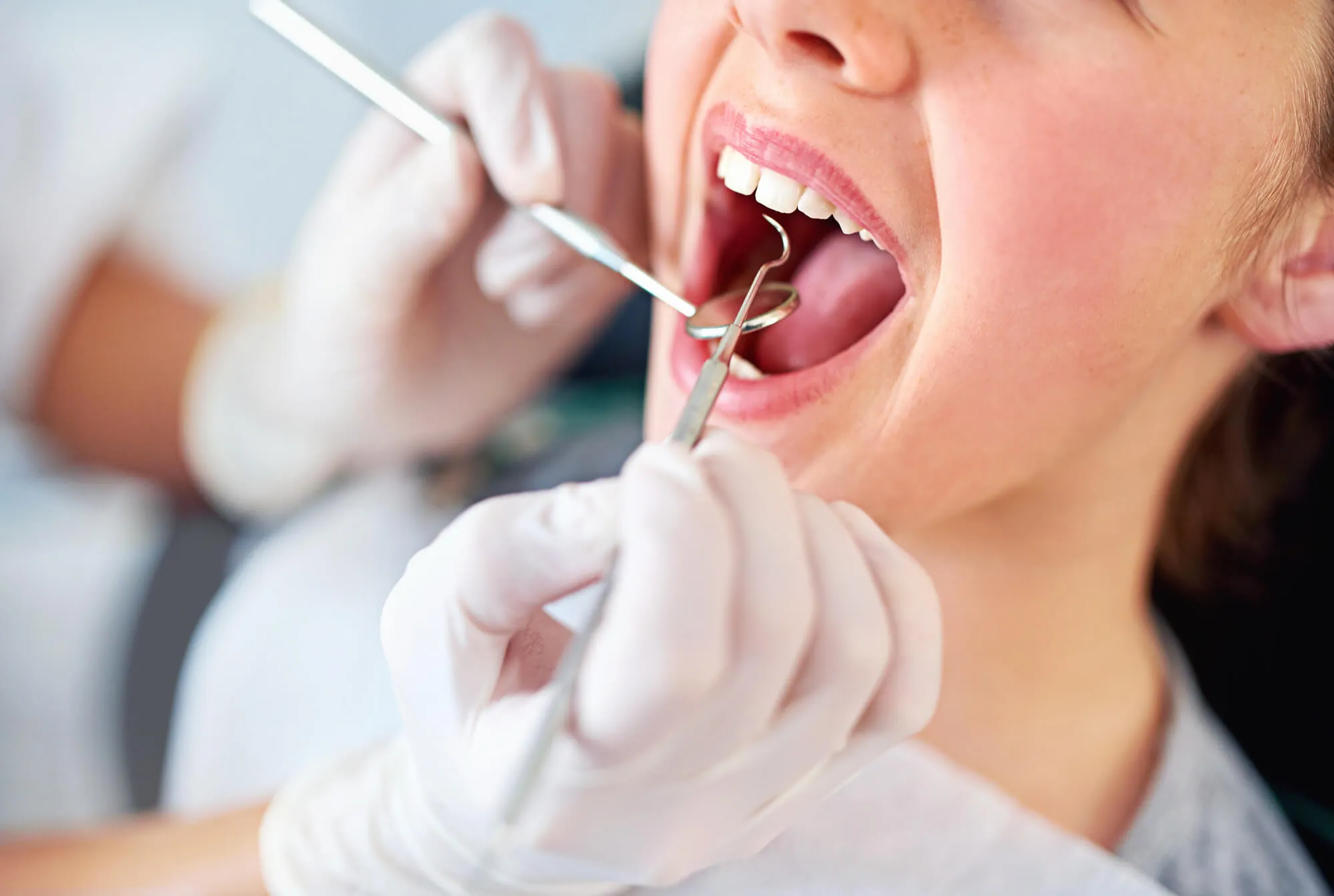
Even strong home care routines may miss areas between teeth or along the gumline. Professional cleanings remove plaque and tartar that brushing and flossing cannot fully reach.
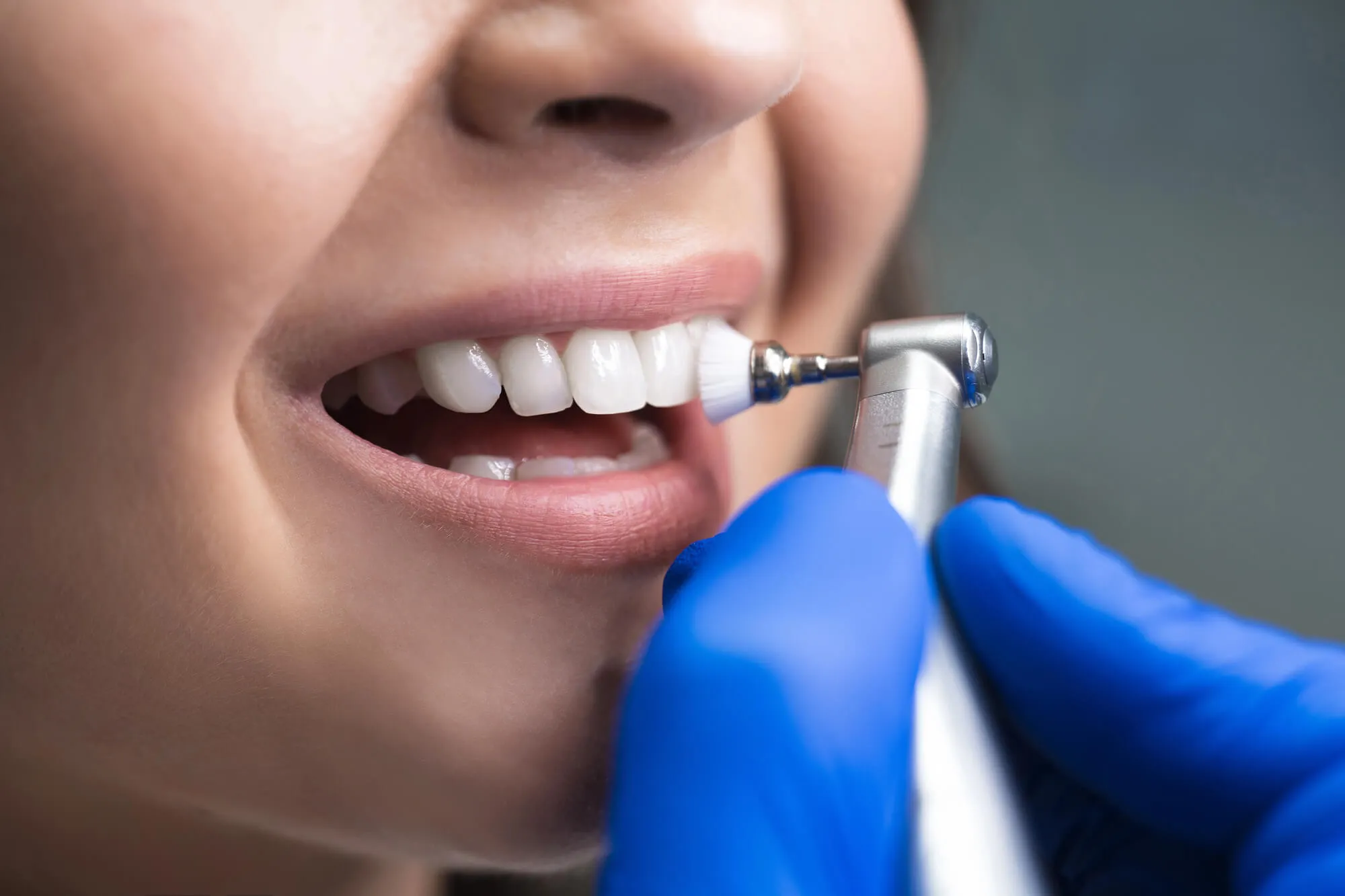
Dental hygienists use specialized instruments to gently remove hardened deposits and polish the tooth surface. Polishing smooths enamel and helps slow new plaque buildup. Cleanings also give your dental team the chance to check for early signs of decay or gum irritation.
Regular cleanings support healthier gums, fresher breath, and stronger teeth. They also allow small concerns to be addressed before they develop into larger problems.
Simple Habits That Help Reduce Plaque
Daily habits help control plaque buildup between dental visits. A few simple steps can make a meaningful difference in keeping teeth and gums healthy.
- Brush twice daily with a soft toothbrush and fluoride toothpaste.
- Floss once a day to clean between teeth.
- Rinse with water after meals to wash away loose food particles.
- Maintain regular dental visits for professional cleanings and guidance.
These habits help reduce plaque buildup and support long-term oral health.
Support Your Oral Health with a General Dentist in Denville, NJ
Healthy smiles depend on the balance between daily care and professional support. At Green Leaf Dentistry, our team focuses on preventive care that helps patients maintain strong teeth and healthy gums. Routine cleanings, gentle examinations, and patient education are all part of our commitment to long-term oral wellness.
If it has been a while since your last visit, scheduling an appointment with a general dentist in Denville, NJ, can help keep your smile healthy, comfortable, and confident.