
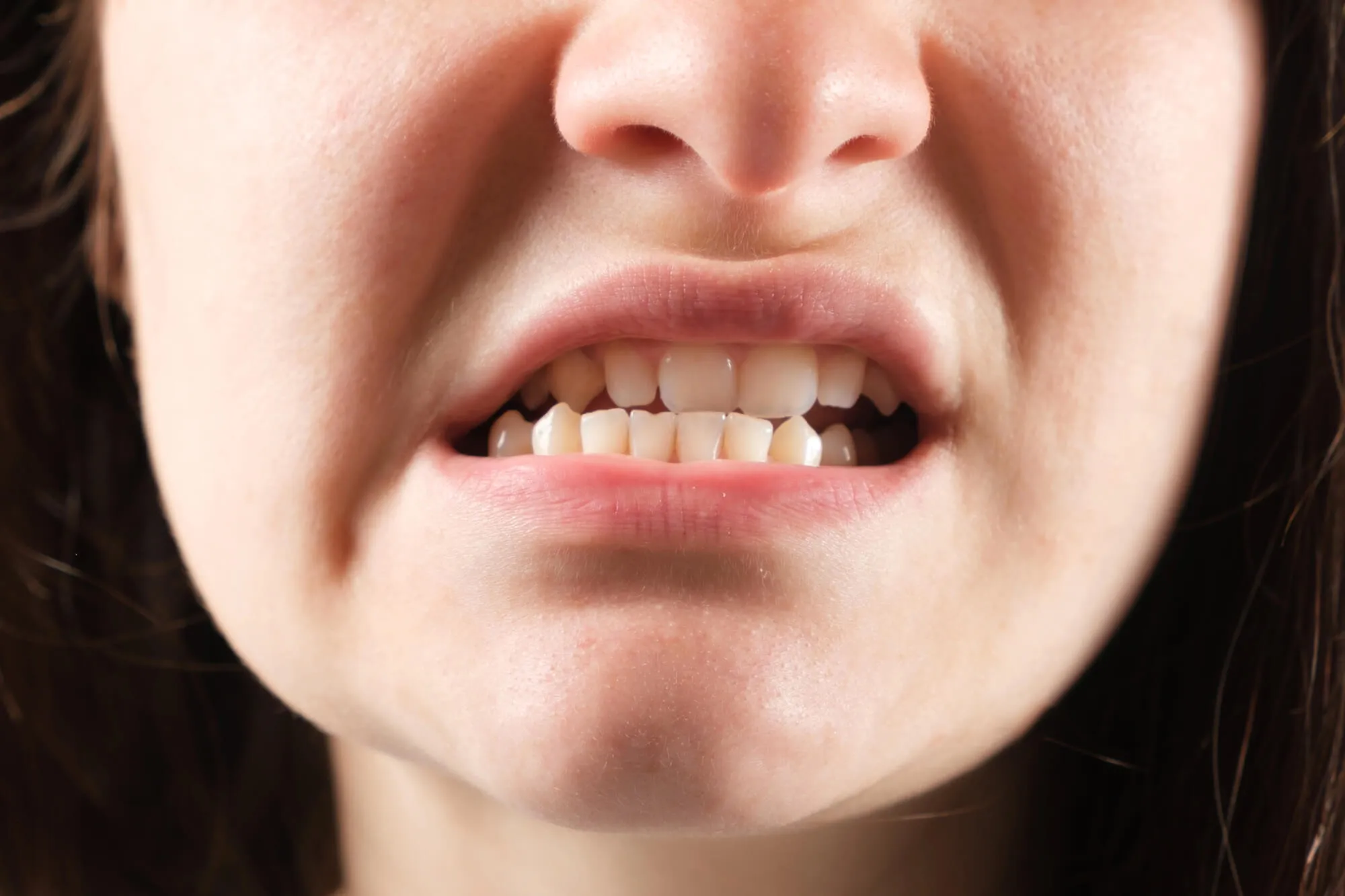
Jaw pain does not always look the same. For some people, it begins with frequent clenching or soreness after waking up. Others notice headaches, aching around the temples, or tired jaw muscles after talking or eating. These symptoms can gradually interfere with everyday activities and may be related to overactive jaw muscles associated with TMJ disorders. If you’re looking for TMJ pain relief in Denville, NJ, knowing who may benefit from TMJ Botox® treatment is a helpful place to start.
What Is TMJ Botox® Treatment?
Before deciding whether TMJ Botox® treatment is appropriate, it helps to understand what it is designed to do.
Botox® is commonly known for cosmetic treatments, but it is also used therapeutically to relax muscles that have become overactive. For patients with muscle-related TMJ disorders, carefully placed injections may reduce excessive muscle activity that contributes to jaw tension, clenching, grinding, headaches, and facial discomfort.
Because Botox® targets the muscles rather than the jaw joint itself, it is not recommended for every TMJ condition. A professional evaluation helps determine whether muscle overactivity is contributing to your symptoms.
Who May Benefit From TMJ Botox® Treatment?
You Frequently Clench or Grind Your Teeth
One of the most common reasons patients are considered for TMJ Botox® treatment is persistent clenching or grinding. These habits place continuous pressure on the jaw muscles and joints, which may lead to soreness, fatigue, stiffness, and limited jaw movement.
By relaxing the muscles responsible for these repetitive movements, Botox® may reduce the force created by clenching and grinding.
Your Jaw Muscles Feel Tight or Fatigued
Some patients notice their jaw feels tired after chewing, talking for long periods, or waking up in the morning. Others describe aching cheeks or tight muscles that never seem to fully relax.
When these symptoms are caused by excessive muscle activity, Botox® may help decrease muscle tension and improve overall comfort.
You Experience Frequent TMJ Headaches
Jaw muscle tension can extend beyond the jaw itself. Overworked muscles may contribute to headaches around the temples, facial soreness, and discomfort that spreads toward the neck.
Reducing muscle activity may help lessen these symptoms for patients whose headaches are associated with TMJ disorders.
Conservative Care Has Not Provided Enough Relief
Some patients already practice self-care by avoiding chewy foods, applying warm compresses, managing stress, or becoming more aware of daytime clenching. While these habits remain valuable, they may not provide enough relief for everyone.
If symptoms continue to interfere with daily activities, your dentist may recommend discussing additional treatment options such as TMJ Botox®.
Who May Not Be a Candidate?
TMJ disorders can have different causes. Joint injuries, arthritis, bite problems, and structural changes within the joint may require different forms of treatment.
This is why a comprehensive evaluation is important. Examining jaw movement, muscle activity, and bite function helps determine whether Botox® is likely to improve your symptoms or whether another approach would be more appropriate.
Supporting TMJ Comfort at Home
Professional treatment works best alongside healthy daily habits. Simple adjustments can reduce unnecessary strain on the jaw.
- Avoid chewing gum and hard or chewy foods during flare-ups.
- Apply a warm compress to relax tight muscles.
- Maintain good posture while using computers or mobile devices.
- Become aware of daytime clenching and allow your jaw to rest.
- Choose softer foods if chewing becomes uncomfortable.
- Practice stress-management techniques to reduce muscle tension.
These habits support healthier jaw function and may help minimize irritation between appointments.
Find TMJ Pain Relief in Denville, NJ
Persistent jaw pain, muscle tightness, and frequent clenching can affect your comfort every day. At Green Leaf Dentistry, we take time to identify the source of your symptoms before recommending care. If TMJ Botox® treatment is appropriate for your needs, we’ll explain how it works and create a personalized treatment plan focused on improving comfort and supporting long-term jaw function. Contact us today to learn more about TMJ pain relief in Denville, NJ.