

Stress affects the body in many ways, but jaw tension is often one of the first signs people notice. You might feel tightness when you wake up, headaches that sit near your temples, or a sore jaw that worsens after a long day. These symptoms can be confusing and uncomfortable, especially if they appear suddenly. If you’ve been searching for answers or support for TMJ in Denville, NJ, understanding how stress affects the jaw can help you make sense of your symptoms and find relief.

How Stress Affects the Jaw Joint
Stress creates physical responses throughout the body. The jaw joint, facial muscles, and surrounding tissues are especially sensitive to this tension. Over time, these habits can strain the temporomandibular joint (TMJ) and lead to ongoing discomfort.
1. Increased Clenching and Grinding
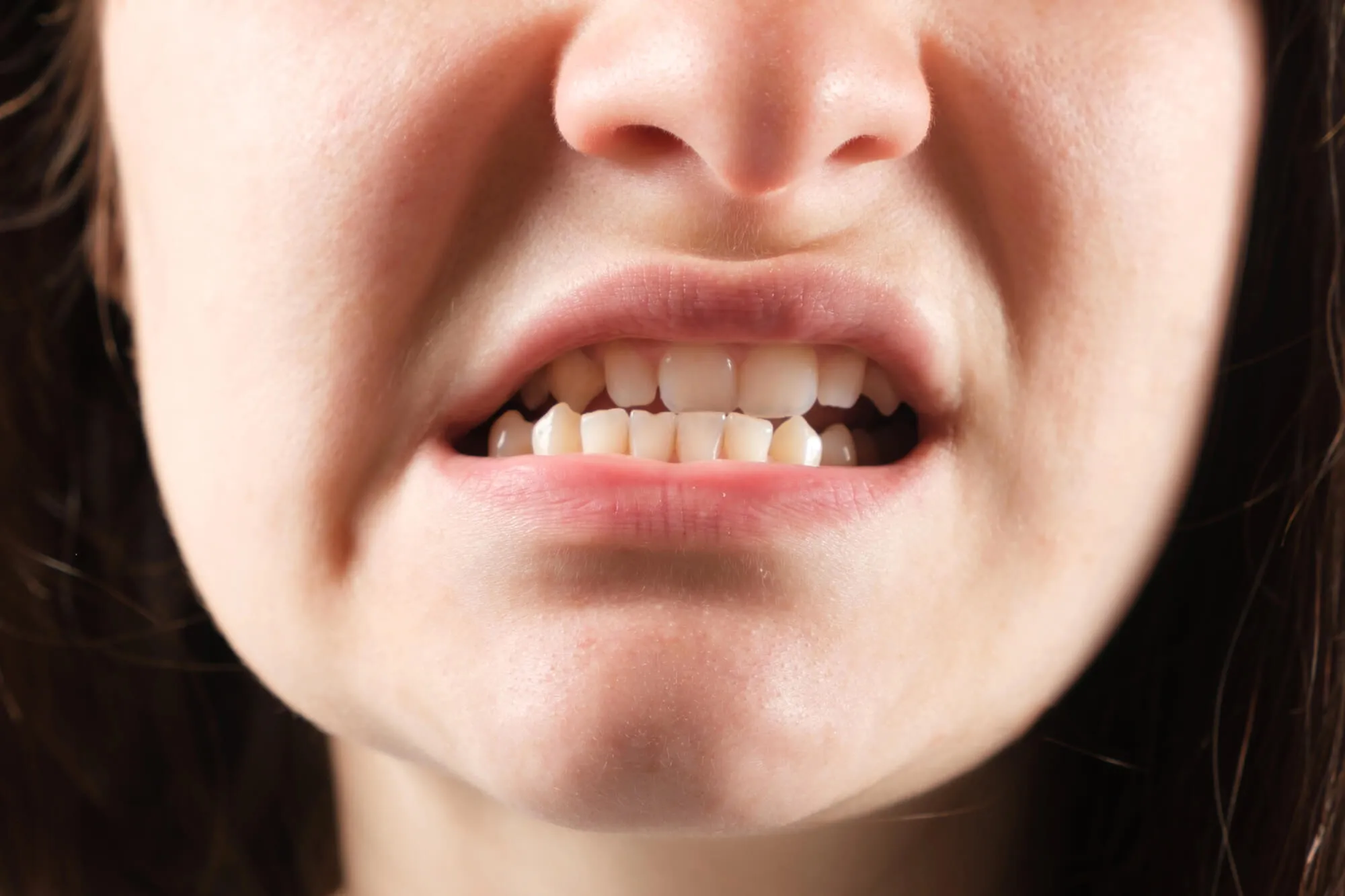
Stress often triggers muscle tension, and the jaw muscles are especially sensitive to it. Many people clench or grind their teeth without realizing it—during the day or while sleeping. This constant pressure strains the temporomandibular joint (TMJ), causing soreness, fatigue, and morning stiffness.
2. Tightening of Facial and Jaw Muscles
Stress activates the body’s “fight-or-flight” response, which causes the muscles around the jaw, cheeks, temples, and neck to tighten. When these muscles remain tense for extended periods, the TMJ must work harder with each movement, resulting in discomfort and sometimes limiting the mouth’s opening range.
3. Heightened Inflammation Around the Joint
Stress can increase inflammation throughout the body, including the tissues surrounding the jaw joint. This added sensitivity may lead to swelling, pressure around the TMJ, and more noticeable clicking or popping during normal jaw movements.
4. Postural Changes That Strain the TMJ
Stress can affect posture, particularly during prolonged periods of work or screen time. Hunched shoulders or a forward head position place extra pressure on the jaw muscles and ligaments. Over time, this misalignment can affect how the TMJ functions and trigger recurring symptoms.
Common TMJ Symptoms Triggered by Stress
Stress can either create new symptoms or intensify existing ones. Some people notice occasional clicking, while others experience sharp discomfort or pressure around the jaw. TMJ symptoms vary from person to person, but many share common patterns.
Jaw Soreness or Fatigue
The muscles around the jaw may feel tired or sore, especially upon waking. This often points to nighttime grinding or clenching.
Headaches or Facial Pain
Tension in the jaw can spread to the temples, cheeks, and forehead. Many people report headaches that wrap around the sides of the head and worsen after stressful days.
Jaw Clicking or Popping
Misalignment or swelling around the joint can create clicking sounds when opening or closing the mouth. This may be accompanied by mild discomfort or may feel like a temporary lock.
Ear Pressure or Fullness
The TMJ sits close to the ear canal. Inflammation or tension may cause pressure, ringing, or fullness without an actual ear infection.
How TMJ in Denville, NJ, Treatment Supports Comfort and Better Function
Stress relief alone isn’t always enough, especially if the jaw has been overworked for a long time. Targeted care can help reduce strain on the jaw and create more comfortable daily movement.
At Green Leaf Dentistry, therapeutic injections and supportive techniques are used to relax overworked muscles and ease tension around the TMJ. These treatments can help reduce clenching habits, support healthy jaw function, and give the joint time to rest. Many patients find that combining at-home care with professional treatment helps create long-lasting comfort.
If you’re experiencing jaw tension or think stress may be affecting your TMJ, contact us today to schedule a consultation. We’re here to support your well-being with thoughtful, compassionate care.