

Your child shows you a wiggly tooth, and the questions start immediately. Is this the right age? Should you pull it or wait? You may even wonder why other children have already lost several teeth while your child’s smile has barely changed. Baby teeth follow a general schedule, but every child’s timing is a little different. A Kids Dentist in Denville, NJ, can monitor these changes and make sure your child’s permanent teeth are developing and emerging as expected.

What Should Parents Expect as Baby Teeth Start Falling Out?
Most children begin losing their baby teeth around age six, although starting somewhat earlier or later can be normal. As a permanent tooth develops beneath a baby tooth, the baby tooth’s root gradually dissolves. This allows the tooth to loosen and eventually fall out.
The process continues throughout childhood, with most baby teeth gone by ages 10 to 12.
Which Baby Teeth Usually Fall Out First?
The lower front teeth, or central incisors, are often the first to become loose. The upper front teeth usually follow. Other incisors, primary molars, and canines are gradually replaced over the next several years.
A general timeline looks like this:
- Central incisors: around ages 6 to 7
- Lateral incisors: around ages 7 to 8
- Primary canines and molars: around ages 9 to 12
These ages are estimates rather than deadlines. Dental visits allow your dentist to follow your child’s individual development.
Should You Pull a Loose Baby Tooth?
Most loose baby teeth should be allowed to fall out naturally. Your child can gently wiggle the tooth with their tongue or a clean finger.
Trying to remove a tooth before it is ready may cause pain or bleeding. Contact your dentist if the tooth is painful, damaged, or remains in place while the permanent tooth is emerging.
What If a Permanent Tooth Grows Behind a Baby Tooth?
Sometimes, a permanent tooth appears behind a baby tooth before the baby tooth falls out. This can create the appearance of a second row of teeth.
The baby tooth may still loosen naturally as the permanent tooth continues to emerge. Your dentist can examine the area and determine whether monitoring is enough or whether care is needed.
How Can You Care for Your Child’s Changing Smile?
Children still need consistent oral hygiene while baby teeth are falling out and permanent teeth are emerging. Encourage twice-daily brushing with fluoride toothpaste and regular flossing.
Routine dental visits are also important during this stage. Your dentist can monitor tooth development, check for cavities, and recommend preventive treatments such as fluoride or dental sealants when appropriate.
Frequently Asked Questions About Losing Baby Teeth
Is age five too early to lose a baby tooth?
Not necessarily. Some children naturally begin losing teeth around age five. Your dentist can evaluate your child’s development if you are concerned about the timing.
What if my child has not lost a tooth by age seven?
If your child has not started losing baby teeth by age seven, a dental evaluation can help assess how their teeth are developing.
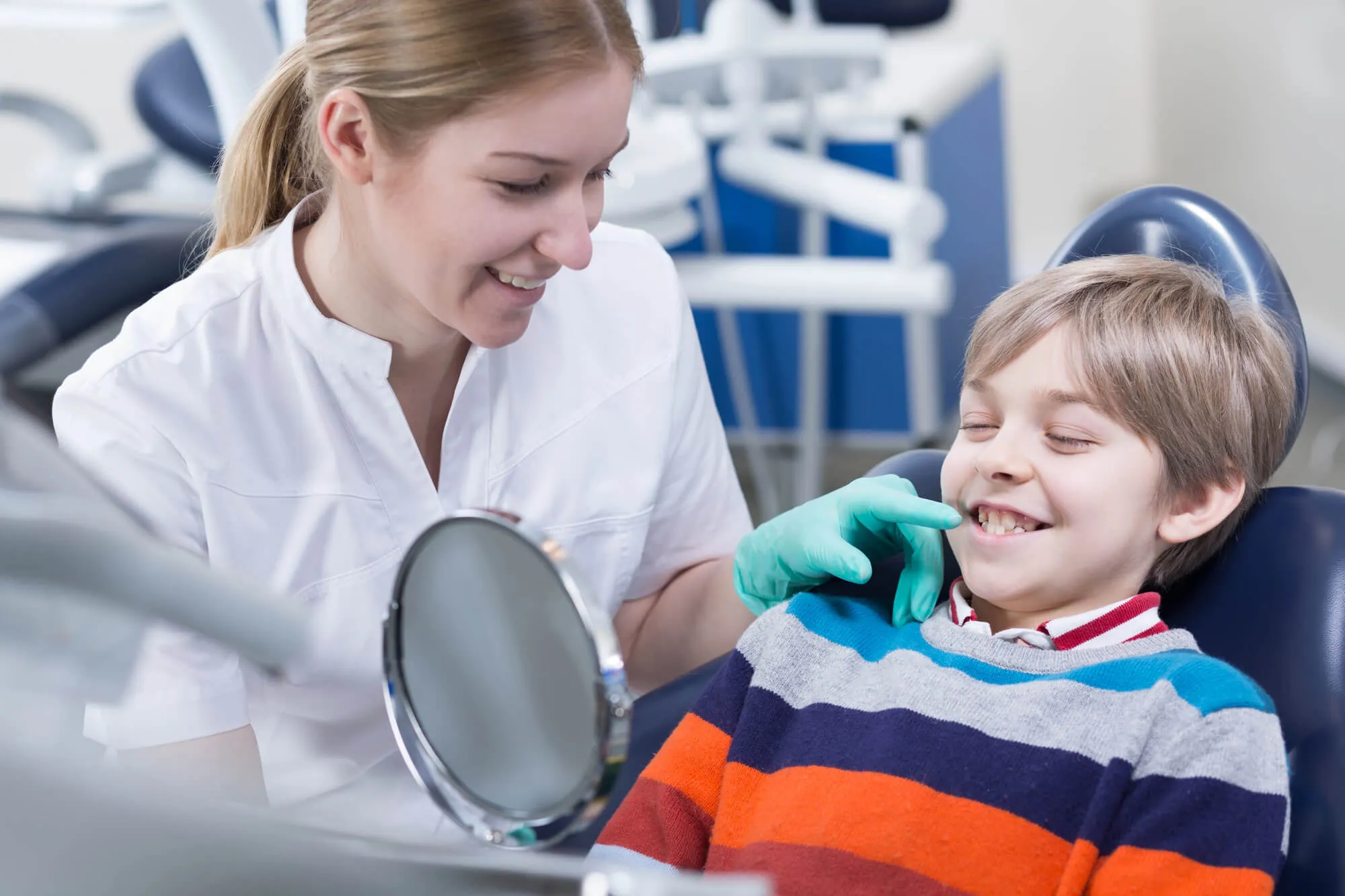
Need a Kids Dentist in Denville, NJ for Your Child’s Changing Smile?
At Green Leaf Dentistry, Dr. Lauren Ferraro and our team provide gentle pediatric care while helping children develop positive feelings about dental visits. We take time to answer parents’ questions, explain care in an approachable way, and support healthy habits as your child’s smile develops. Contact us today to schedule your child’s next dental appointment.