

A persistent toothache or swelling can make it hard to focus on anything else. You may wonder if the problem can be repaired or if your Denville dentist will need to remove the tooth. It’s a thought that can cause some anxiety, but modern tooth extractions are far more comfortable and precise than many expect. If your dentist has recommended an extraction, it helps to know why it’s needed and how it can protect your long-term oral health.
Why Tooth Extractions Are Sometimes Necessary
Dentists aim to preserve your natural teeth whenever possible. However, certain conditions can damage a tooth beyond repair or threaten surrounding teeth and gums. Removing it can help restore comfort, prevent infection, and maintain your overall oral health.
1. Severe Decay or Infection
When bacteria reach the inner pulp, they can cause an infection that spreads quickly. Root canal therapy can often save the tooth, but if the structure is too weak or the infection too advanced, extraction may be the safest route to protect nearby teeth and bone.
2. Advanced Gum Disease
Periodontal disease can weaken the bone and tissues that support your teeth. If a tooth becomes loose and no longer has enough stability, your dentist may recommend removing it to stop further bone loss and protect your remaining teeth.
3. Impacted or Crowded Teeth
Teeth that cannot emerge fully—often wisdom teeth—can push against others, causing pain and alignment issues. Extraction helps prevent discomfort and keeps your bite balanced. Similarly, some orthodontic cases require tooth removal to create space for proper alignment.
4. Broken or Damaged Teeth
Accidents, hard foods, or old fillings can cause severe fractures. If the damage extends below the gum line, the tooth might not be restorable with a crown. In such cases, extraction may be necessary to alleviate pain and facilitate future restoration options.
What to Expect During the Procedure
Tooth extractions today are far more comfortable than many imagine. Dentists use local anesthesia and gentle techniques to minimize discomfort.
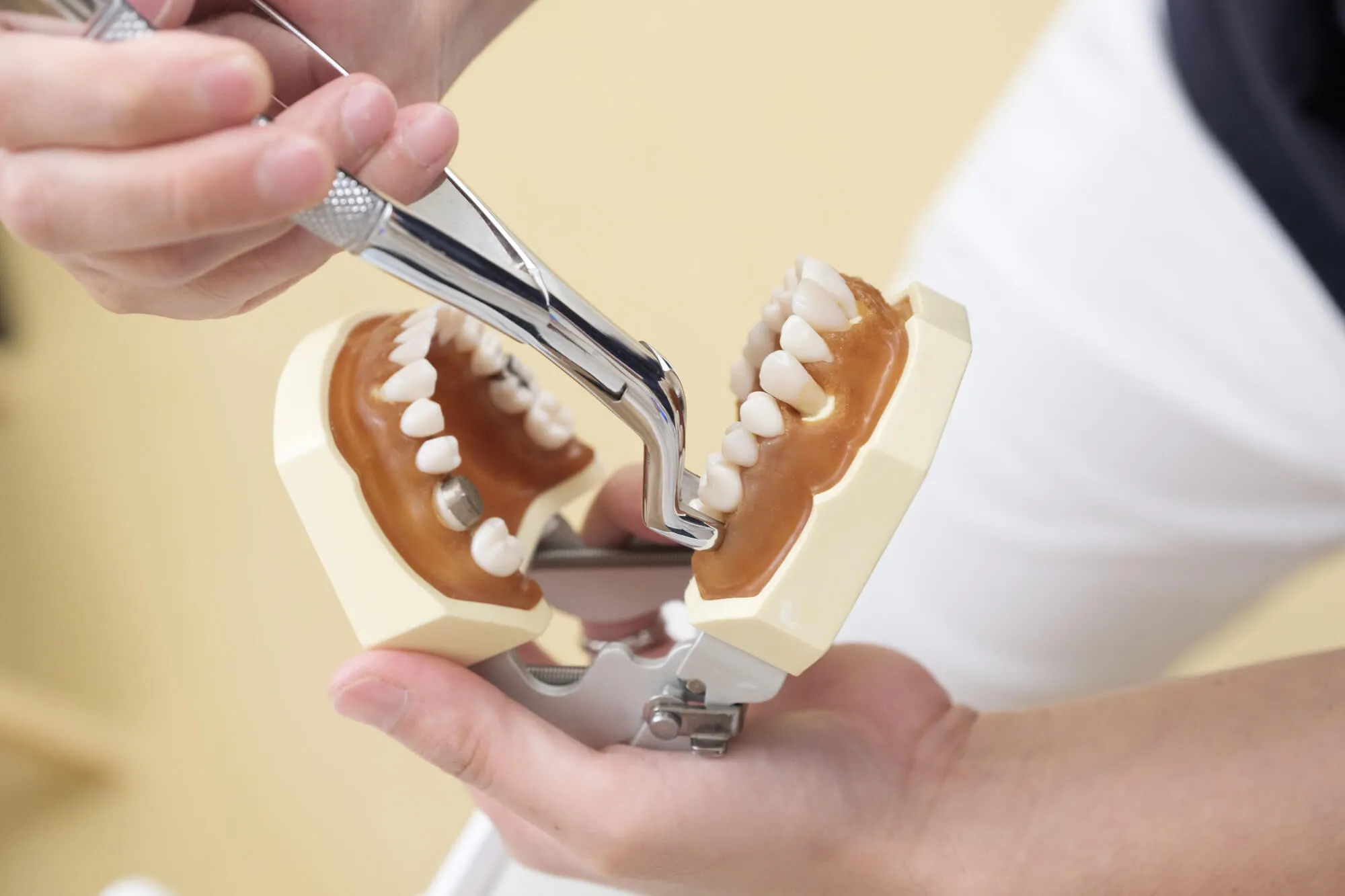
Your dentist will first numb the area and use precise instruments to loosen and remove the tooth. For more complex cases, such as impacted wisdom teeth, a surgical extraction might be recommended. Throughout the process, you can expect clear communication and attentive care from start to finish.
Recovery and Aftercare
Healing typically takes 3 to 7 days. During this time, it’s important to rest and follow your dentist’s aftercare instructions closely.
Tips for a Smooth Recovery
- Bite gently on gauze to control bleeding.
- Apply a cold compress to minimize swelling.
- Eat soft foods such as yogurt, soup, or mashed potatoes.
- Avoid smoking or using straws for at least 24 hours.
- Keep the area clean by gently rinsing it after the first day.
If you experience persistent pain or swelling after several days, contact your dentist for a follow-up appointment.
Looking Ahead: Restoring Your Smile
After a tooth extraction, replacing the missing tooth helps maintain your bite and jaw health. Options such as dental implants, bridges, or partial dentures can restore function and appearance. Your dentist will guide you through these choices and recommend the option that best suits your needs.

Looking for an Experienced Denville Dentist?
A tooth extraction doesn’t have to be stressful. At Green Leaf Dentistry, our team focuses on comfort, compassion, and long-term health. We take time to explain every step, use gentle techniques, and provide a calming environment that supports healing and confidence.
If you’re experiencing dental discomfort or think you might need a tooth removed, schedule an appointment with our dentist today. We’ll help you maintain a healthy, comfortable smile with care tailored to you.